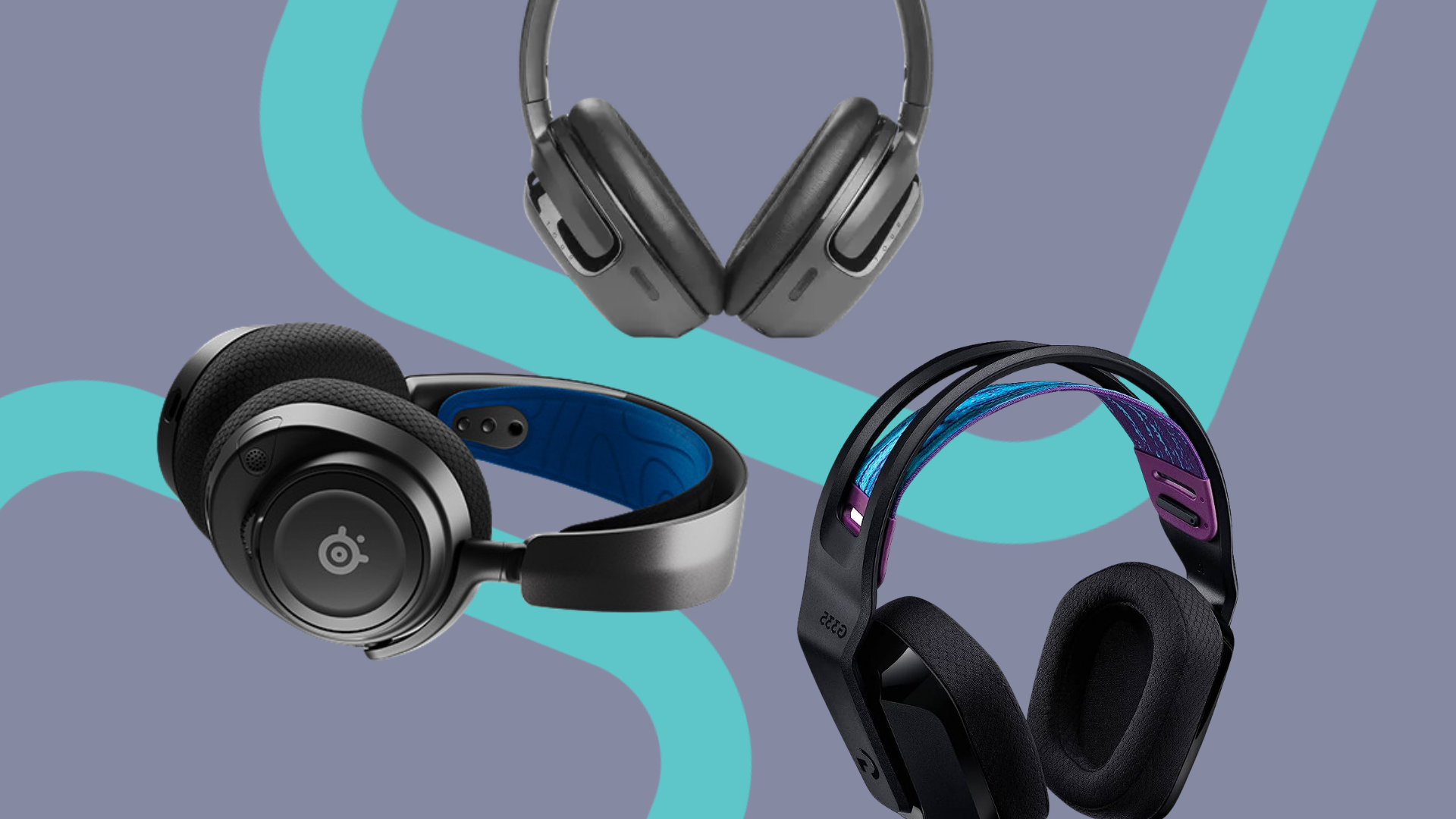
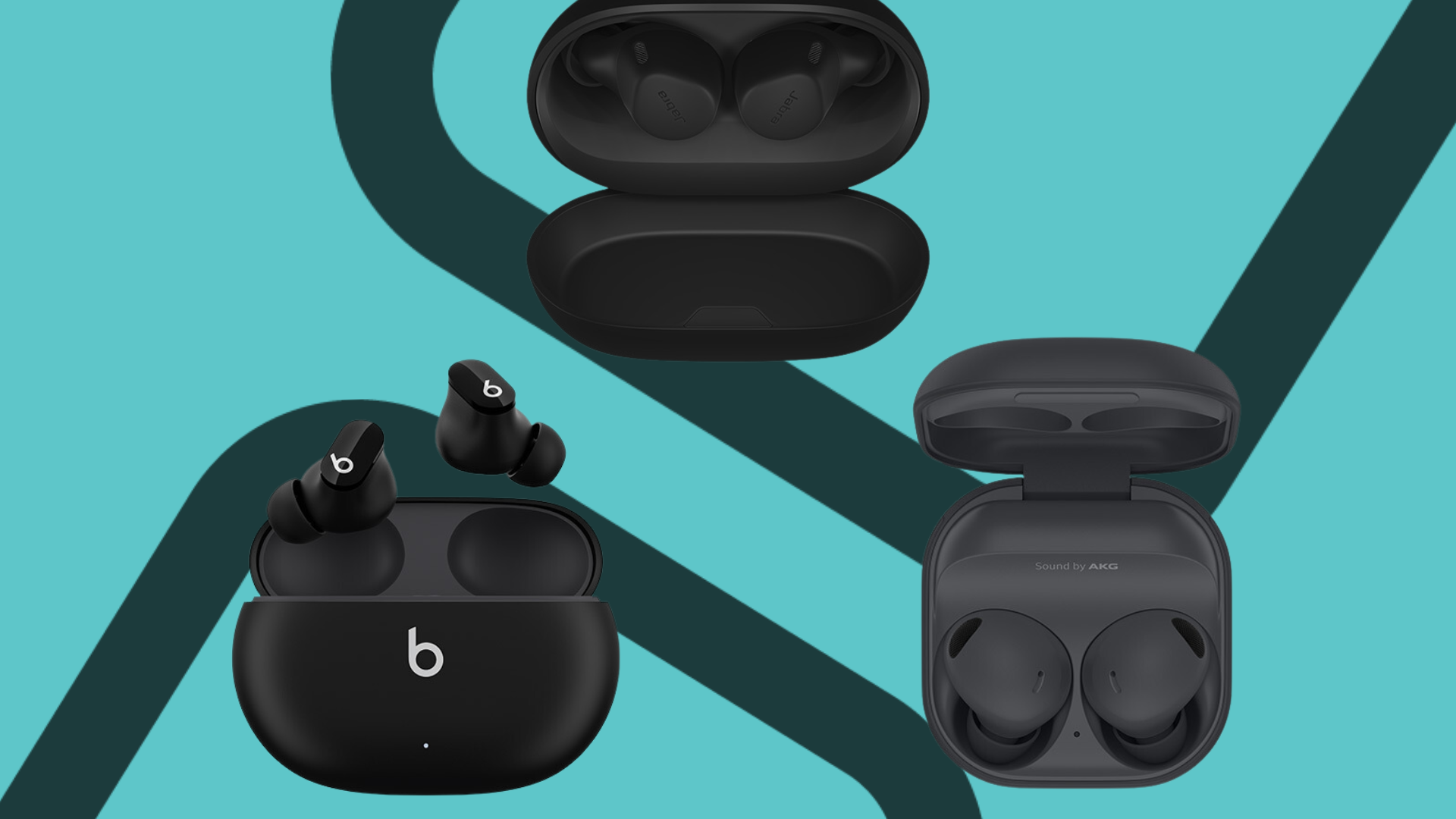
Your guide to buying headphones in Singapore
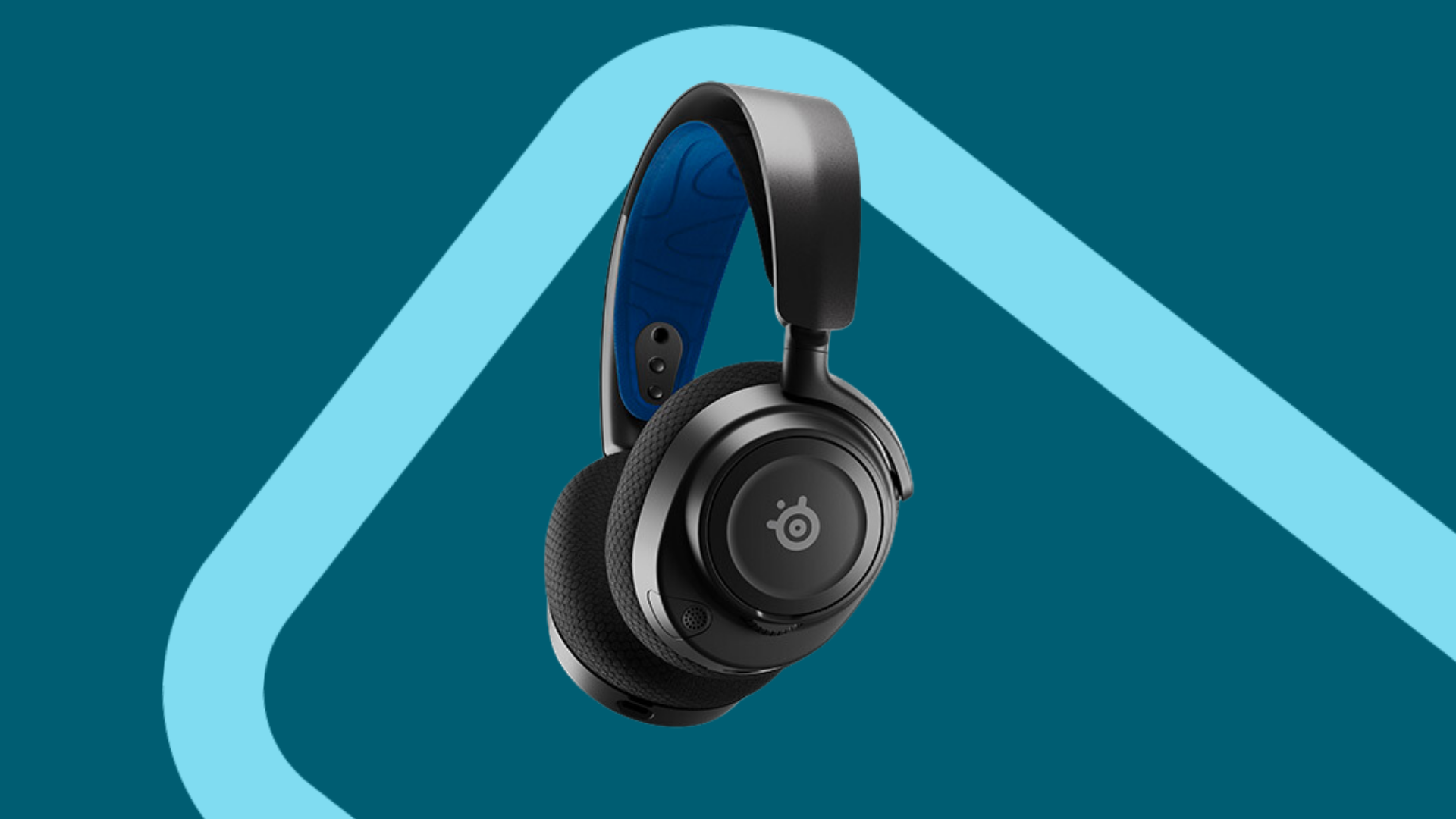
Buying a pair of headphones is a highly personal choice 🤔
The best headphones for you may not necessarily be the best headphones for someone else.
So, how do you figure out which headphones to get?
As with anything else, figure out what features you need, and go from there.
In this article, we’ll walk you through the different types of headphones in Singapore and teach you how to choose a pair that fits your needs.
In this article, we'll cover:
PS: You can shop headphones on Singtel and pay in 12, 24 or 36 month instalments!
How to choose the best headphones for you
Let’s discuss how you should go about choosing the best headphones in Singapore.
This includes:
Sound quality
First, let’s talk about sound quality.
The one thing that 99% of people use their headphones for is to listen to music... and that’s where sound quality comes in 🎵
Here, you’ll want to pay attention to two things:
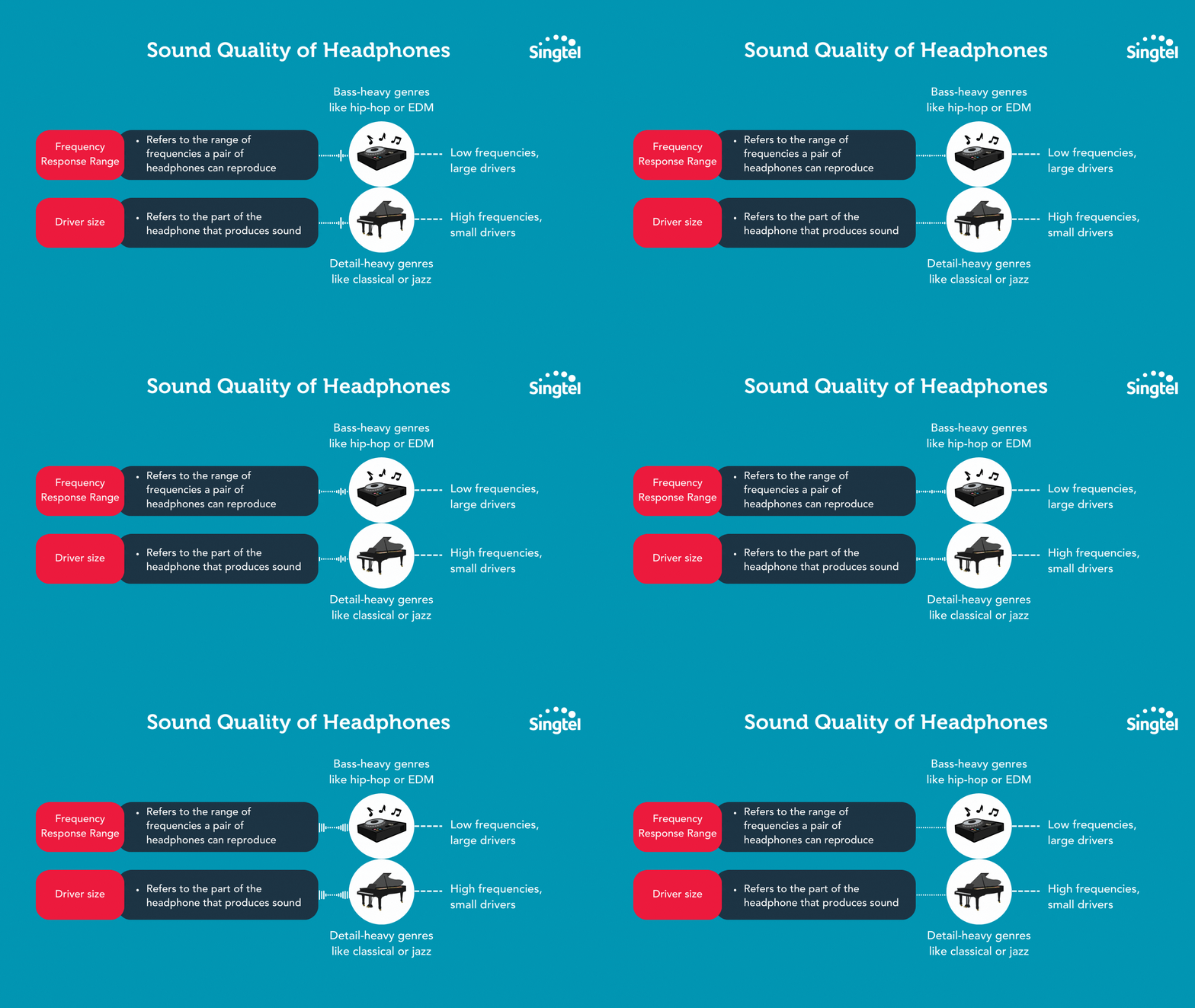
Frequency response range = the range of frequencies that a pair of headphones can reproduce.
The human ear can hear sounds in a frequency range of 20 Hz to 20 kHz – look for headphones that can reproduce lower frequencies if you like hip-hop and EDM, and look for headphones that can reproduce higher frequencies if you like classical music.
Then there’s driver size.
The driver = the part of the headphone that produces sound.
Again, pick your driver size based on what music you like.
Here’s a quick recap:
Design & comfort
This one’s a no-brainer – your headphones should obviously be comfortable, and provide a good listening experience.
Here are a few things to consider:
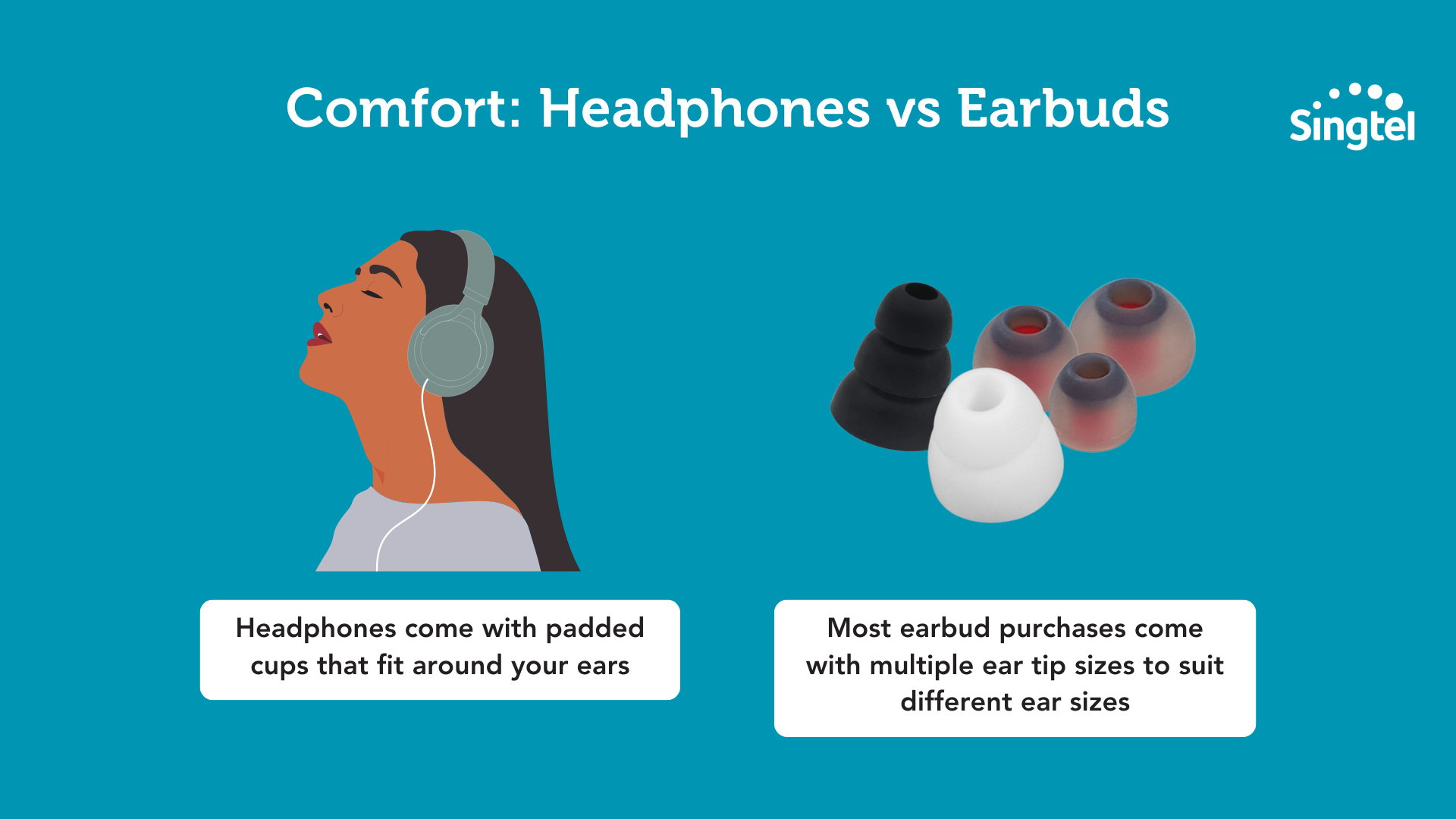
First, consider whether the headphones come with an adjustable fit.
Some headphones do come with adjustable headbands and swiveling ear cups, letting you customise the fit.
If you only use your headphones for a few minutes at a time, you may not notice the difference. But if you game with your headphones and use them for hours at a stretch, the fit will definitely make a huge impact.
Next, think about the weight and weight distribution.
Heavier headphones can potentially cause discomfort, especially when worn for extended periods. Excessive weight can put strain on the neck, head, and ears, leading to fatigue and discomfort.
Lightweight headphones are generally more comfortable, as they exert less pressure on the head and allow for more extended listening sessions without discomfort.
However, you don’t want to buy a pair of extremely lightweight headphones, only to find out that the build quality is lousy – the best headphones should be both comfy and durable.
Noise cancellation and isolation
Noise-cancelling headphones help reduce unwanted sounds, so that you can enjoy your music or TV show without distractions.
There are three types of noise cancellation:
Active noise cancellation
Passive noise cancellation (or passive isolation)
Hybrid noise cancellation
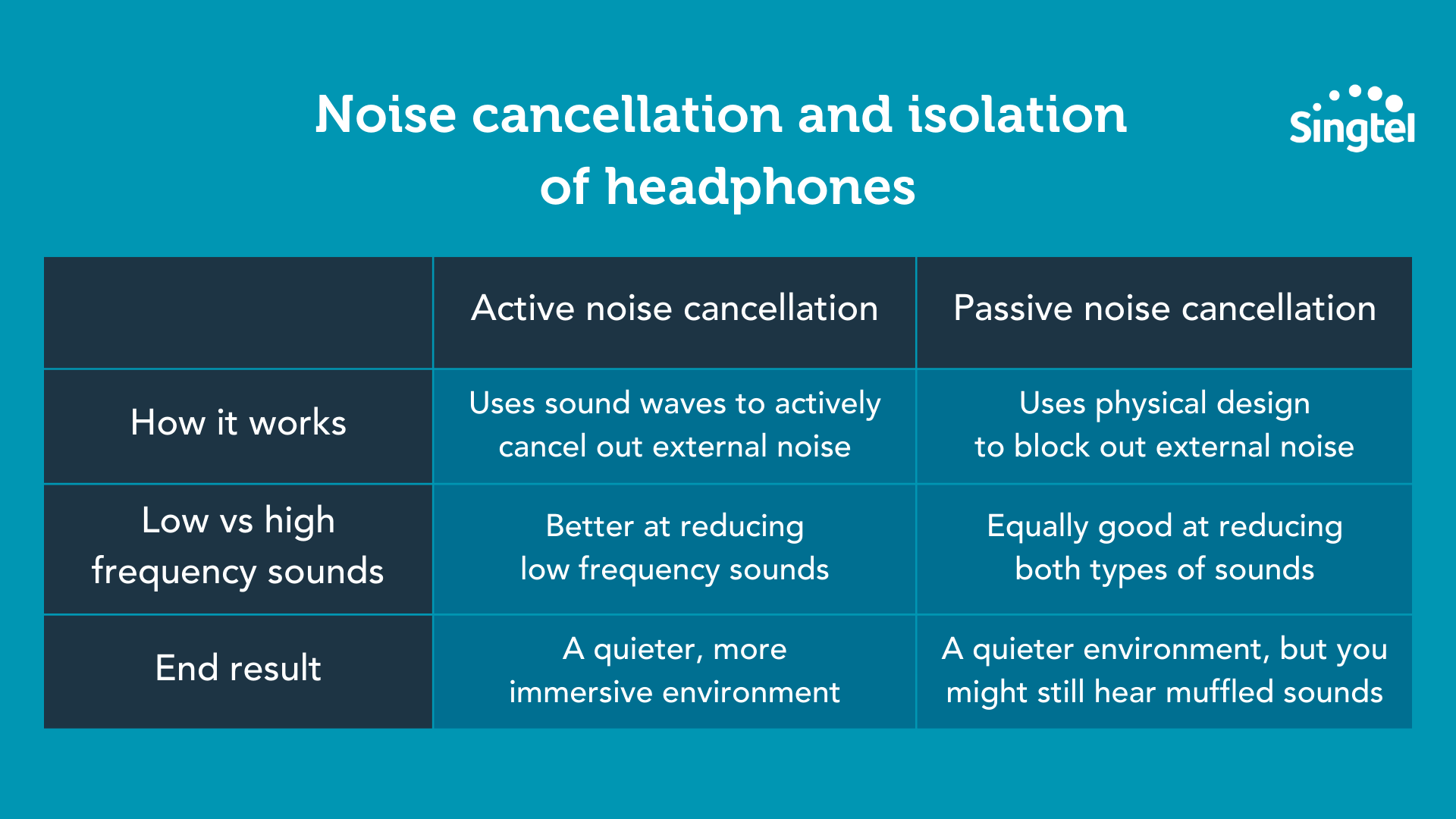
Active noise cancellation, also known as ANC, is the most common type of noise cancellation found in headphones.
With ANC, the headphones generate sound waves that counteract external noise.
This type of noise cancellation is good at reducing continuous, low-frequency sounds like background chatter and traffic noise.
However, it isn't as effective in blocking out high-frequency sounds.
Passive noise isolation, on the other hand, relies on the physical design of the headphones to block out external noise (so it’s literally the padding and material of the headphone that’s blocking out the noise).
This type of noise isolation can reduce both low and high frequency sounds, but you might still be able to hear muffled sounds.
To summarise:
Finally, hybrid noise cancellation combines both active + passive noise cancellation technologies.
This is meant to give you the best of both worlds, with more effective noise reduction across a wider range of frequencies.
Before we move on to talk about the next feature, one last thing about noise cancellation...
Keep in mind that ANC requires power to operate, so using the noise cancelling feature will deplete your battery.
For example, the Sony WH-CH520 Wireless Headphones come with 50 hours of battery life on a single charge (if you don’t use ANC), and 25 hours (if you use ANC).
Of course, you can look for a model of headphones with a long battery life to compensate for this (in fact, the Sony WH-CH520 Wireless Headphones that we listed above have one of the best battery lives we’ve seen). But it’s definitely something to keep in mind!
Additional features
Sound quality, comfort, and noise cancellation aside, other features that you might want to keep in mind include:
Battery life + quick charging
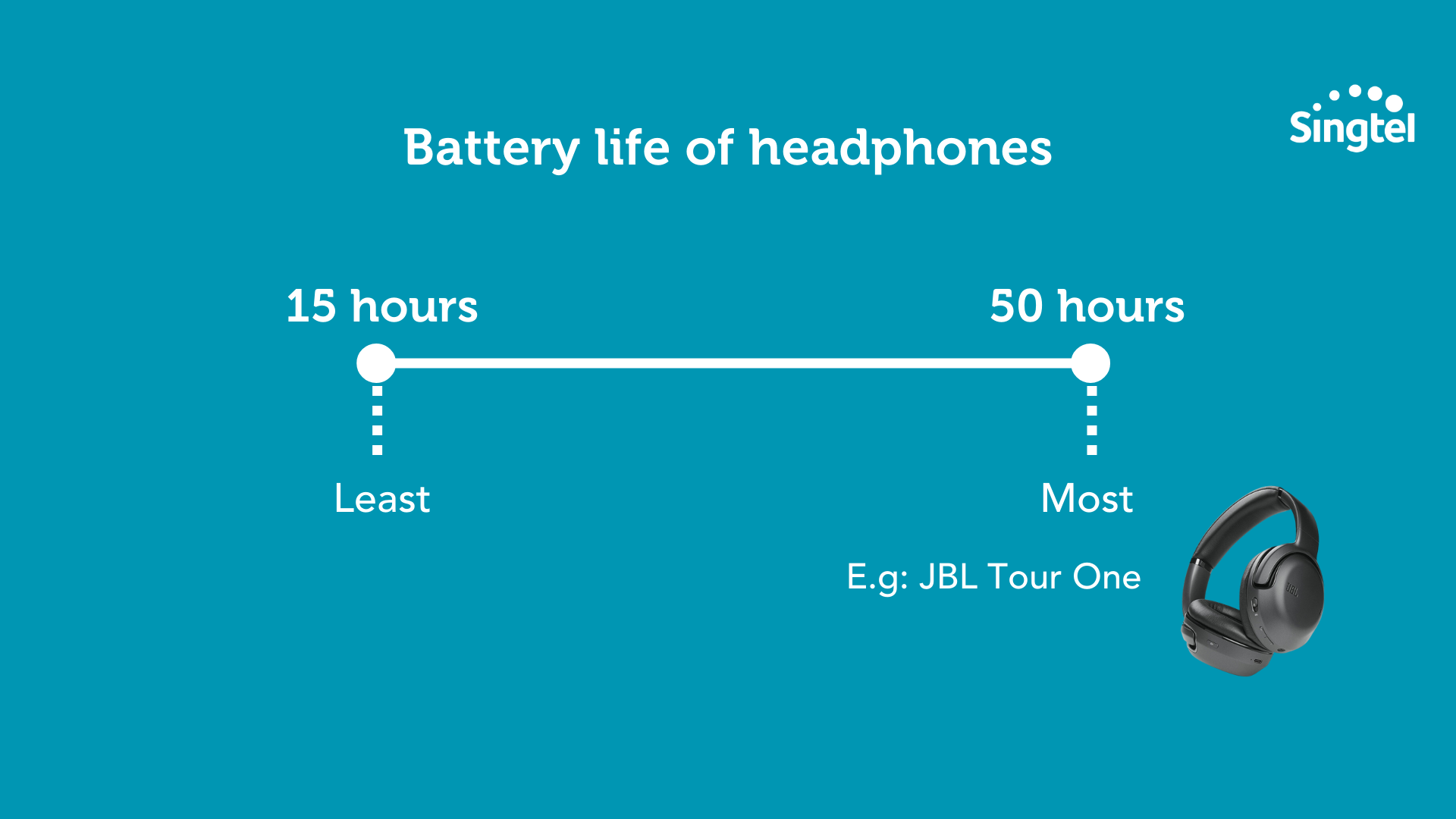
Firstly, there’s a huge range when it comes to headphones’ battery life.
Some headphones may give you only 15 hours of battery life on a single charge, and others may give you 50 hours
Some headphones also come with fast charging, giving you several hours of usage with just a short charging period.
Like we mentioned in the previous section, the Sony WH-CH520 Wireless Headphones are one of the best headphones if you’re looking for a long battery life.
This gives you 50 hours of battery life on a single charge (assuming you don’t use ANC).
And if you’re out of juice, you can get 3 hours of usage time from just 5 minutes of charging. Pretty amazing, if you ask us!
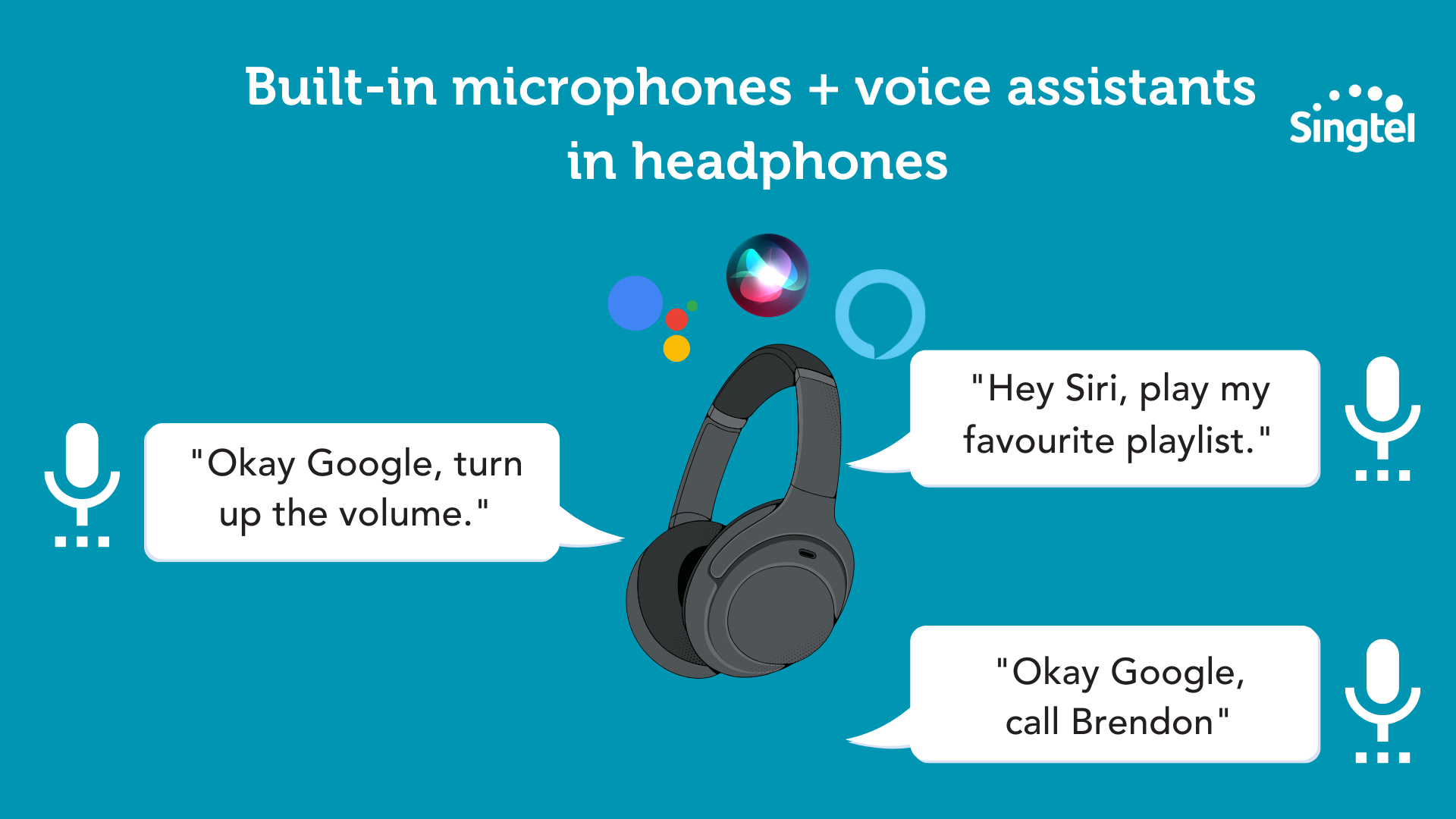
Built-in microphones + voice assistants
Some headphones also come with fast charging, giving you several hours of usage with just a short charging period.
Like we mentioned in the previous section, the Sony WH-CH520 Wireless Headphones are one of the best headphones if you’re looking for a long battery life.
This gives you 50 hours of battery life on a single charge (assuming you don’t use ANC).
And if you’re out of juice, you can get 3 hours of usage time from just 5 minutes of charging. Pretty amazing, if you ask us!
Types of headphones
Now, let’s take a look at the different types of headphones.
Wireless vs wired headphones
When it comes to wireless vs wired headphones, both have their pros & cons.
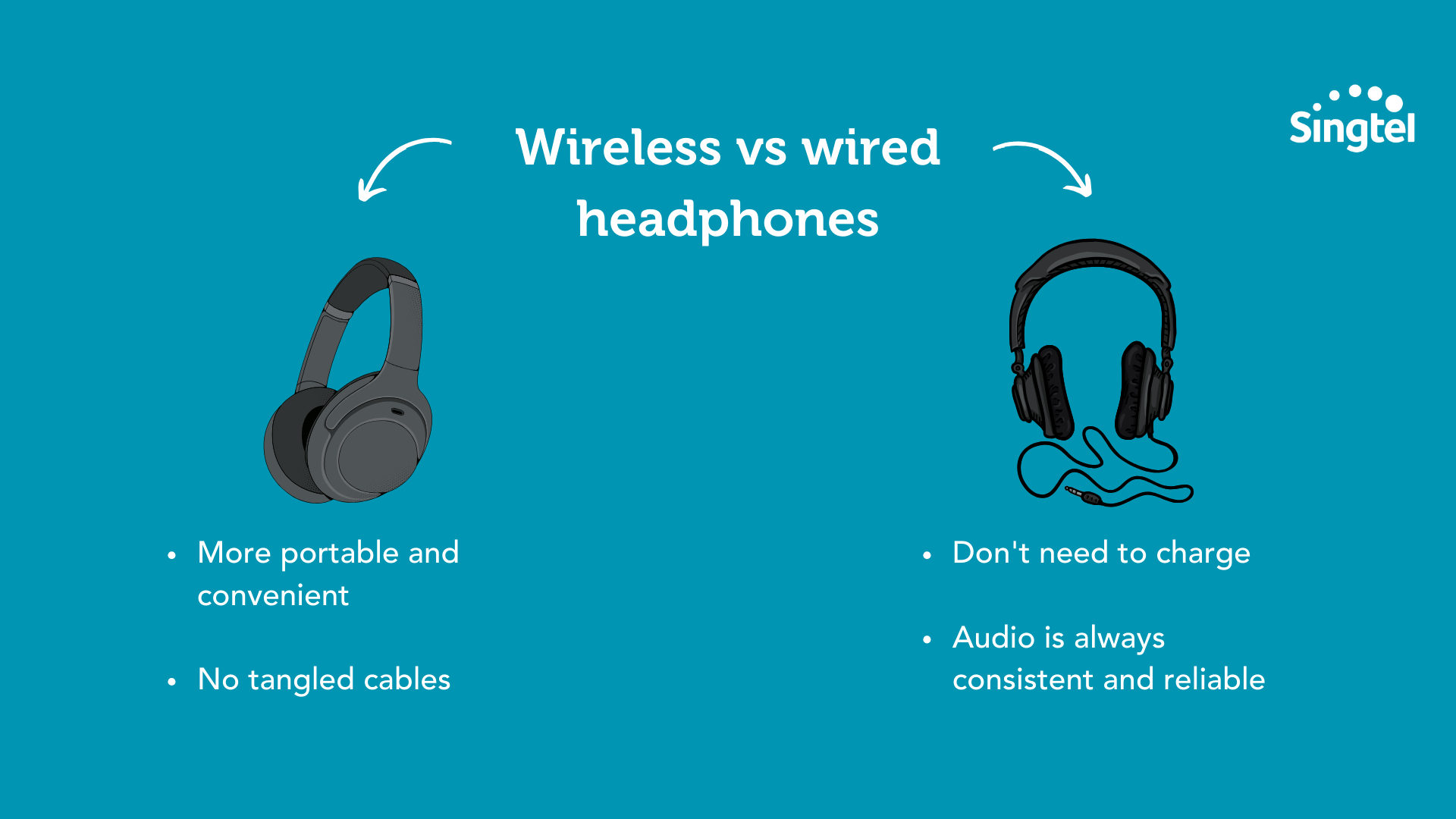
With wired headphones, you don’t need to bother about charging, and the audio connection is always consistent and reliable.
With wireless headphones, these are obviously more portable and convenient, and you won’t need to deal with tangled cables.
Most wireless headphones connect to devices using either a 2.4GHz wireless connection or Bluetooth.
A 2.4GHz connection is often considered to provide a more immersive experience than Bluetooth.
Ultimately, it all boils down to the user’s preference.
If you ask us, the one determining factor in whether you should choose wireless vs wired headphones is whether you’ll use your headphones while you’re on the go.
And here’s the thing: “on the go” doesn’t just refer to using your headphones while you’re commuting to work or school.
If you use your headphones at home, but you’re always on the move (eg prepping a meal in the kitchen while listening to your podcast, or walking on the treadmill while taking a work call), then it makes sense to get wireless headphones.
Over-ear headphones
Over-ear headphones have a large design that fully covers your ears.
These headphones create a seal around your ears, which helps block out external noise and provides excellent sound isolation.
Because of their design, over-ear headphones often deliver a truly immersive audio experience, with good sound quality.
However, over-ear headphones may not be as portable as other types of headphones.
On-ear headphones
On-ear headphones are smaller and rest on the ears rather than fully enclosing them.
They strike a balance between portability and sound quality while also being more compact and lightweight than over-ear headphones.
While they may not provide the same level of noise isolation as over-ear headphones, they can still deliver good sound quality.
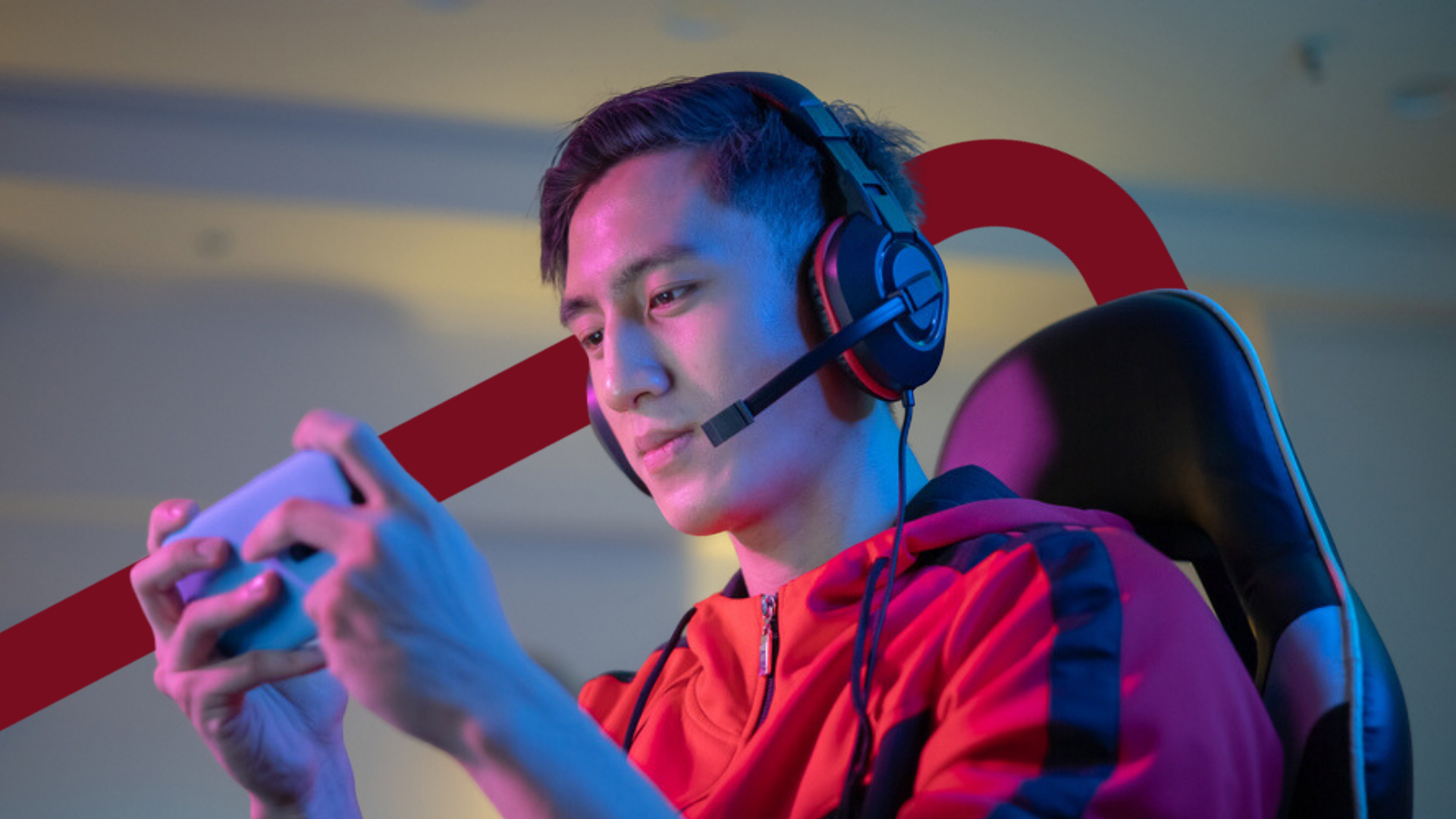
Gaming headphones
This section is for all the gamers out there – if that’s not you, feel free to skip past this point!
What are the best headphones for gaming?
Go for headphones with good sound quality and a built-in microphone.
Headphones with surround sound capabilities, such as 7.1 surround sound, will also give you a good experience. This lets you hear sounds from different directions (eg footsteps or gunfire coming from different directions in the game world).
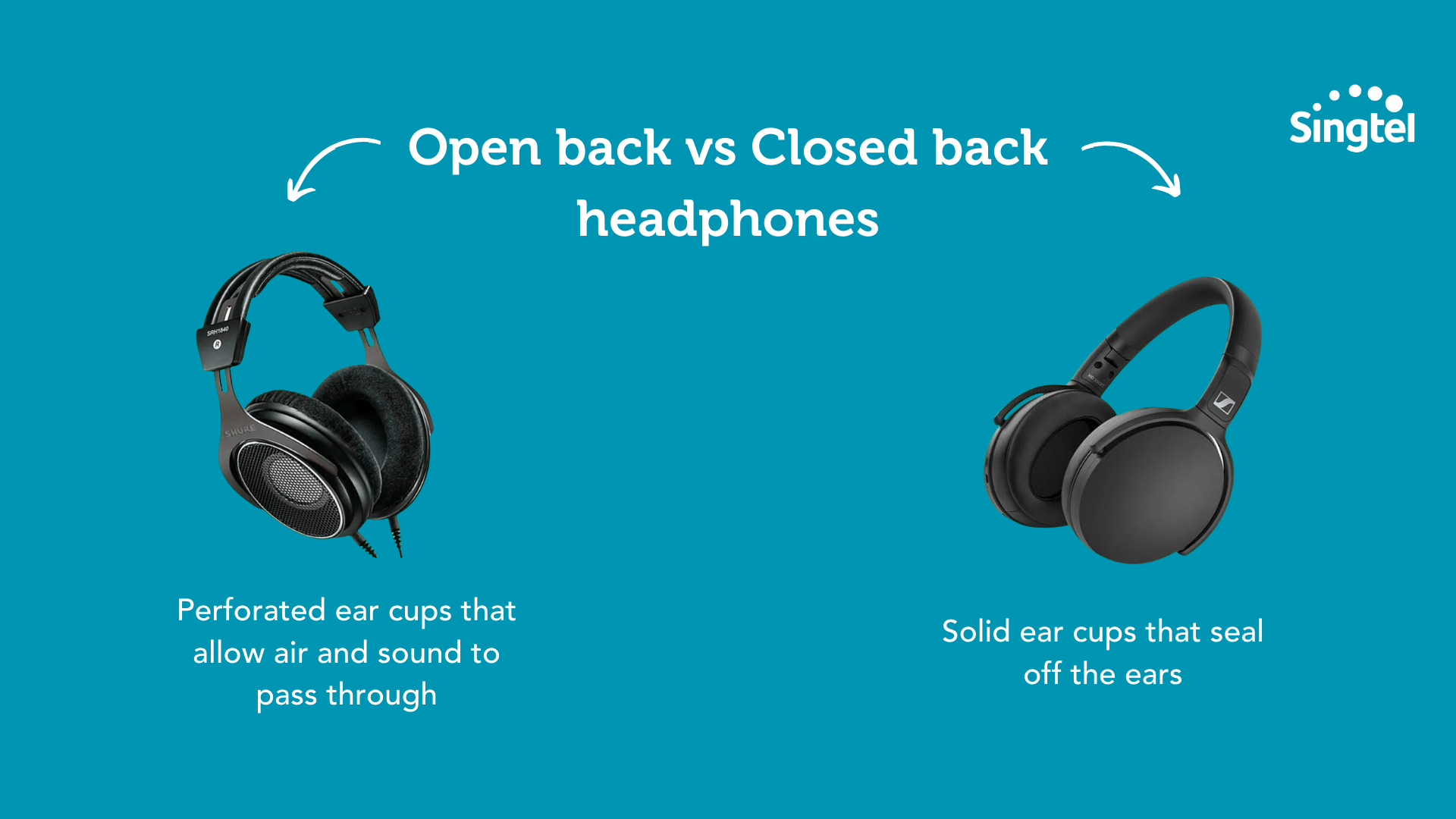
Finally, consider if you prefer open back or closed back headphones for gaming.
Open back headphones have perforated ear cups or grilles that allow air and sound to pass through, while closed back headphones have solid ear cups that seal off the ears.
Headphones-related FAQs
Have more questions about headphones? Check out our FAQ section 👇
Q: How do earbud headphones converters work?
A: What people refer to as “earbuds headphones converters” or “earbud headphones adaptors” are essentially headphone jack adaptors.
Say you have a pair of headphones with a larger connector (eg 6.35mm), and you want to use them with a device that has a smaller headphone jack (eg 3.5mm).
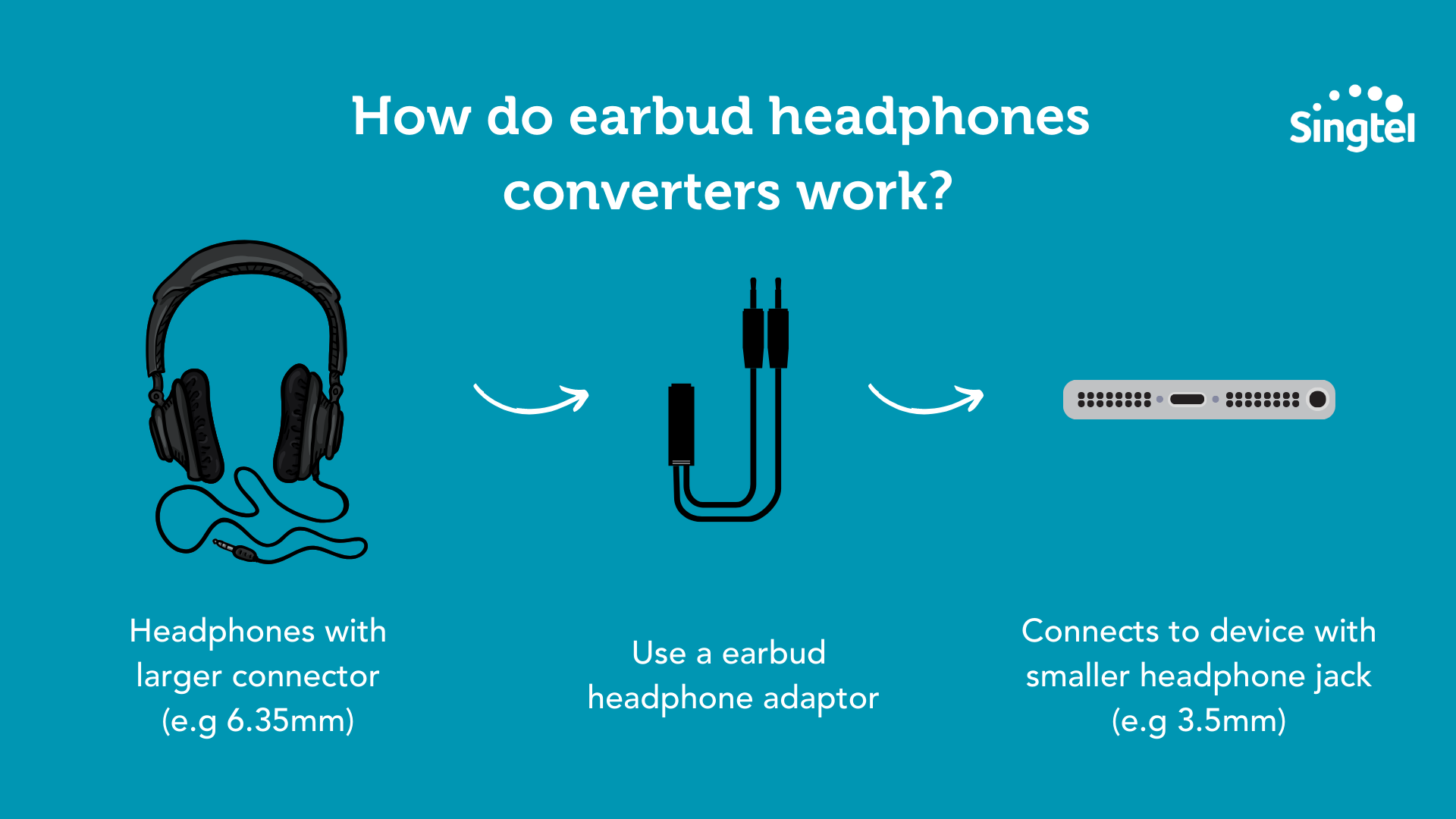
You can simply use an adaptor to connect the two, instead of buying a separate pair of headphones for your other device.
Devices that come with smaller headphone jacks include smartphones, tablets, laptops, or gaming consoles.
Q: Are headphones more worth it than earbuds?
A: Whether headphones or earbuds are more “worth it” or more suitable for you depends on your use case.
Here are a few examples:
For specific product recommendations, check out our articles on the best headphones in Singapore and the best wireless earbuds in Singapore.
Q: Are headphones better for your ears, compared to earphones?
A: Yes, headphones generally offer better noise isolation compared to earphones, and this means you can listen at lower volumes.
When you listen at lower volumes, this reduces the risk of hearing damage.
Q: Are earbuds or headphones better for gaming?
A: It all depends on what time of games you play.
Here’s what we recommend:
Check out our article on headphones vs earbuds for gaming if you want to learn more!
Q: Are there breathable headphones?
A: Open-back headphones are generally considered to be the most breathable option.
To recap, these headphones have ear cups with perforations or vents that allow air to pass through.
With this design, you get more airflow, and less heat build-up.
Q: Are there kids’ headphones available?
A final word on buying headphones in Singapore
On the surface, it might seem like a pair of headphones is just that – a pair of headphones.
But the more you research, the more you’ll realize that there are SO many things to consider.
Do you want over-ear or on-ear headphones? Open-back or closed-back headphones?
And then there are the features – battery life, noise cancellation, multi-device connectivity, and the list goes on.
Now, don’t feel like you need to get the shiniest new model or the pair of headphones that comes with ALL the features.
Instead, figure out what features you’ll actually use, and go from there.
Want to make your headphones purchase a bit more affordable?
Go ahead and make your purchase using Singtel PayLater, which lets you pay for accessories and home appliances in 12, 24 or 36 month instalments with no interest or hidden fees.
Shop headphones on Singtel now.